
About Us
iGaming Builders delivers comprehensive, cost-efficient automated A-to-Z online casino and sportsbook package solutions to operators worldwide
Contact Us
- contact@igamingbuilders.com
Loading
iGaming Builders delivers comprehensive, cost-efficient automated A-to-Z online casino and sportsbook package solutions to operators worldwide
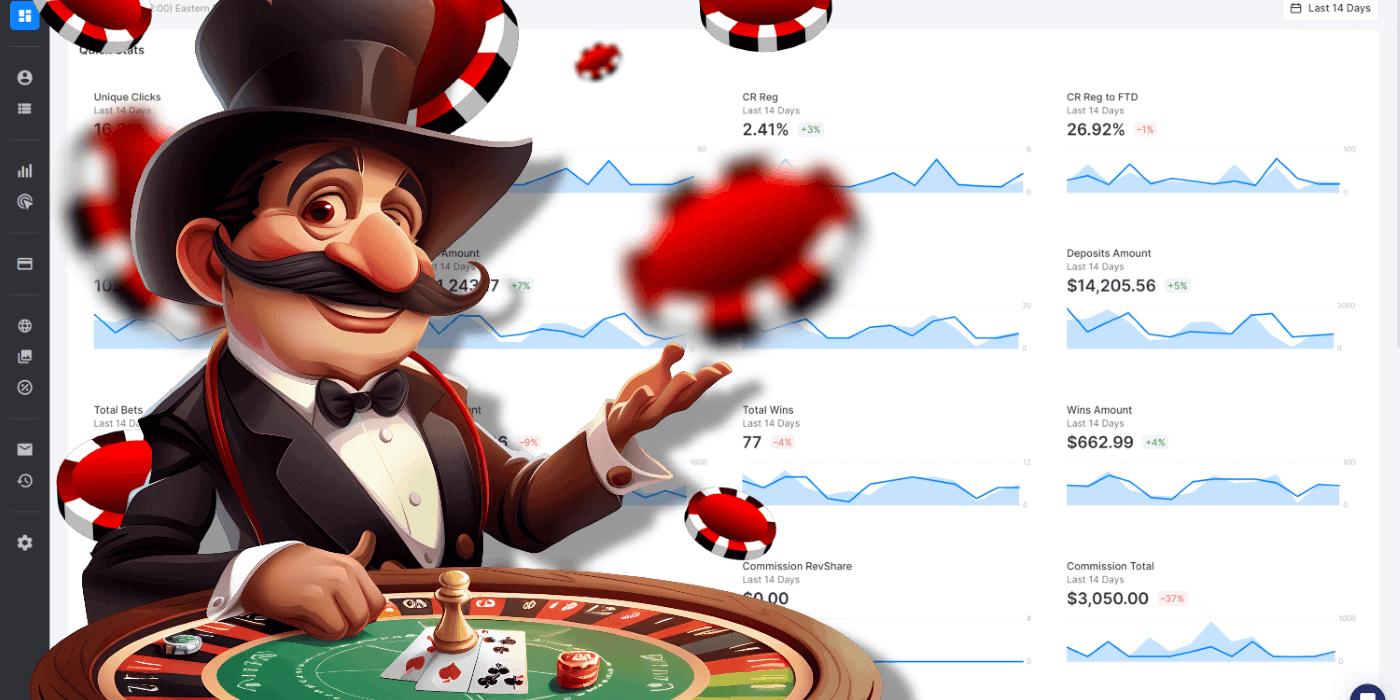
The online gambling industry is one of the most lucrative and rapidly growing sectors in the digital economy. With global revenues projected to surpass $100 billion in the coming years, the allure of starting an online casino is stronger than ever.
However, the glitz and glamour of the frontend hide a complex backend of legal frameworks, sophisticated technology, and intricate operational logistics. Launching an online casino is not a "get rich quick" scheme; it is a high-stakes business venture that requires precision, capital, and the right partners.
At iGaming Builders, we specialize in the architecture and development of world-class gaming platforms. In this guide, we will walk you through the A-to-Z of how to start an online casino, providing the technical and business insights you need to succeed.
Before writing a single line of code or applying for a license, you must define your business identity. The "one size fits all" approach does not work in iGaming.
The market is saturated. To compete, you need a Unique Selling Proposition (USP). Will you focus on:
* Crypto-Casinos: Focusing on anonymity, blockchain technology, and fast transactions?
* High-Roller/VIP Casinos: Catering to high-stakes players with higher limits and exclusive perks?
* Esports Betting: Combining traditional casino games with competitive gaming wagering?
* Localized Markets: Targeting specific regions (e.g., Latin America or Southeast Asia) with localized payment methods and languages?
A solid business plan is essential for securing investors. It must detail:
* Budget: You need a realistic breakdown of initial costs (licensing, software, marketing) vs. operational runway (12–18 months).
* Revenue Model: How will you monetize? (House edge, in-game purchases, affiliate models).
* Risk Management: Strategies for handling bonus abuse, fraud, and payment defaults.
This is the most critical hurdle. Operating without a license is a recipe for disaster, leading to fines, payment processor bans, and criminal charges.
Different jurisdictions offer different levels of credibility and tax structures.
* Curacao: The most cost-effective and fastest option. Good for startups, but carries less prestige in the eyes of European players.
* Malta (MGA): The gold standard for European operations. Highly respected but expensive and requires strict compliance.
* UKGC (UK Gambling Commission): The strictest regulator. Essential if you want to target the UK market, but comes with heavy compliance costs.
* Gibraltar & Isle of Man: Reputable jurisdictions with favorable tax laws, though higher capital requirements.
You will need to incorporate a company in the jurisdiction of your choice. This involves shareholder agreements, proof of funds, and due diligence checks on the Ultimate Beneficial Owners (UBOs).
Your platform is your engine. If it lags, crashes, or looks unprofessional, players will leave instantly. You have three primary options when building your casino:
* What it is: A pre-packaged solution provided by a vendor. They handle the license, software, and payments; you handle the branding and marketing.
* Pros: Fast launch (4–6 weeks), low upfront cost.
* Cons: High revenue share fees, limited control over features, difficult to scale.
* What it is: You get the software and gaming license, but you manage the payments and marketing independently.
* Pros: More control than White Label, faster than building from scratch.
* Cons: Still reliant on a third-party provider's roadmap.
* What it is: Building a proprietary platform from the ground up.
* Pros: 100% ownership of the source code, total control over the UI/UX, unique features no one else has, ability to integrate any API you want.
* Cons: Higher initial investment and longer time to market (6–12 months).
At iGaming Builders, we recommend Option C for long-term success. Owning your technology means you aren't paying rent to a middleman forever. We build robust, scalable backends that handle thousands of concurrent transactions without breaking a sweat.
A casino is only as good as its games. You need to integrate content from game developers (Game Aggregators).
You need a mix of:
* Slots: The bread and butter. Ensure variety in volatility, themes, and mechanics (Megaways, Bonus Buys).
* Live Casino: Essential for trust. Players want to see real dealers (Evolution, Pragmatic Play Live).
* Table Games: RNG versions of Blackjack, Roulette, Baccarat, and Poker.
Instead of signing contracts with 50 different studios, you sign with an Aggregator (like 1GameHub, Slotegrator, or GamesValley). They provide a single API integration that gives you access to thousands of games from dozens of providers.
You must offer frictionless deposits and withdrawals.
* Traditional: Visa, Mastercard, Bank Transfer.
* E-Wallets: Skrill, Neteller, PayPal, MuchBetter.
* Crypto: Bitcoin, Ethereum, USDT (essential for modern casinos).
* Open Banking: Direct bank transfer methods like Trustly are gaining massive popularity.
In a crowded market, design is your differentiator.
* Mobile-First: Over 70% of gambling traffic comes from mobile devices. Your site must be a Progressive Web App (PWA) or native app-ready.
* Speed: Game loading times must be under 2 seconds.
* Navigation: Players must be able to find their favorite games in fewer than three clicks.
* Responsible Gaming Tools: Prominently display deposit limits, self-exclusion tools, and time-out features. This is not just ethical; it is a legal requirement.
Once the site is built, how do you get players?
Build a blog strategy around high-volume keywords (e.g., "best slots," "how to play blackjack"). iGaming SEO is highly competitive, so focus on long-tail keywords and affiliate link building.
This is the lifeblood of iGaming. You will pay other website owners a commission (CPA or Revenue Share) for sending traffic to your site. Building a strong affiliate program is non-negotiable.
You need a strong offer to capture the lead (e.g., 100% Match up to $500 + 200 Free Spins). However, you must balance this with Wagering Requirements to protect your business.
Don't just acquire players; retain them. Use automated email campaigns, SMS, and on-site notifications to re-engage dormant players.
Before the public launch, run a "soft launch" for 2–4 weeks with a limited audience. Test every payment method, every game loading speed, and the registration flow.
The internet never sleeps, and neither does your casino. You need a support team available via Live Chat and Email 24/7.
This is where many fail. You need constant updates:
* Adding new games weekly.
* Updating security patches.
* Monitoring server load.
* Analyzing data (KPIs like GGR, NGR, Churn Rate).
Starting an online casino is a journey of complexity and high reward. While the path to licensing and integration can be daunting, the payoff for a well-executed platform is immense.
Whether you are looking for a White Label solution for a quick start or a Custom Build for a scalable empire, iGaming Builders has the technical expertise to turn your vision into reality.
Ready to build the future of iGaming? Contact us today for a free consultation and technical roadmap analysis.
Disclaimer: This blog post is for informational purposes only and does not constitute legal or financial advice. Gambling laws vary by jurisdiction; always consult with a qualified legal professional before starting an iGaming business.
 Contact Us
