
About Us
iGaming Builders delivers comprehensive, cost-efficient automated A-to-Z online casino and sportsbook package solutions to operators worldwide
Contact Us
- contact@igamingbuilders.com
Loading
iGaming Builders delivers comprehensive, cost-efficient automated A-to-Z online casino and sportsbook package solutions to operators worldwide
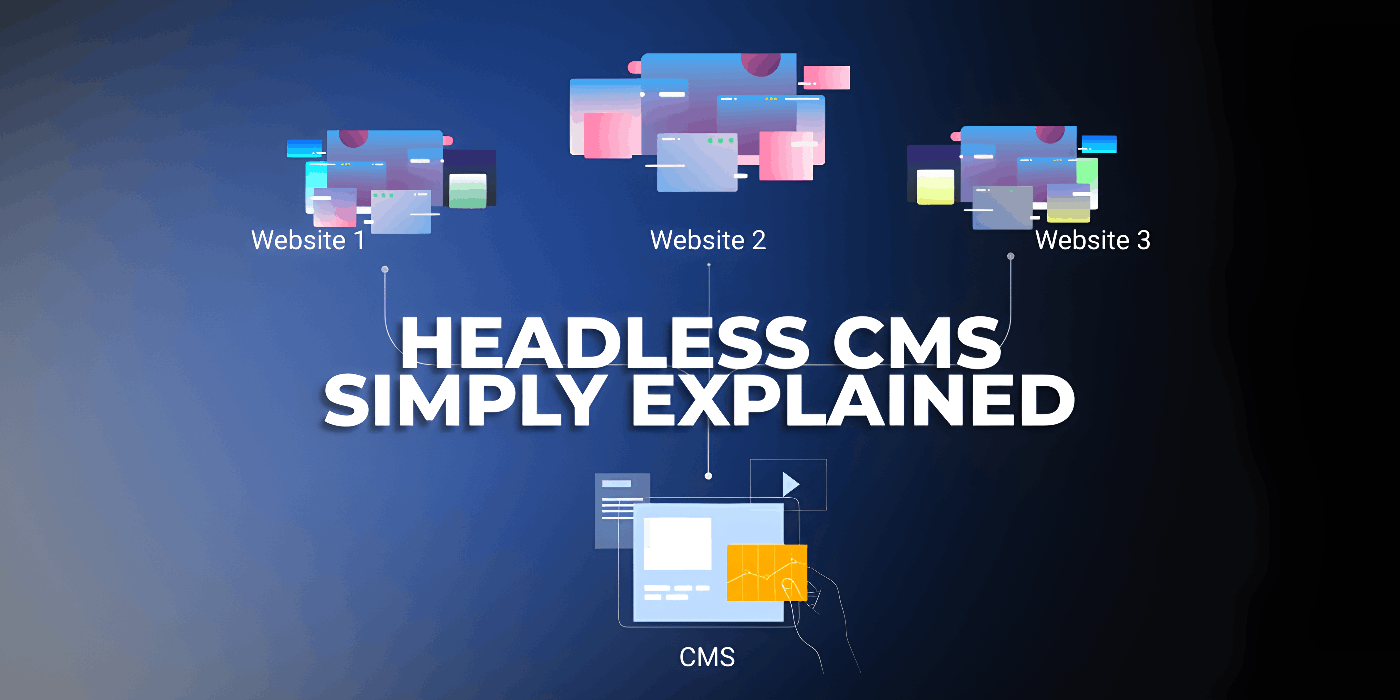
The iGaming industry has distinct technical and operational demands that differ significantly from standard e-commerce or publishing. Traditional "coupled" CMS platforms (like standard WordPress or Drupal) often struggle to meet these demands because they tie the backend content management directly to the frontend display. The revolutionary iGB QUANTUM Builder solves this issue by integrating with multiple headless CMSs -- including Strapi, a tried-and-true solution for iGaming operators of all tiers.
A headless CMS decouples the content repository (backend) from the presentation layer (frontend), delivering content via API to any platform (web, mobile app, smart TV, kiosk). Here are the unique iGaming challenges that this architecture effectively solves:
The Challenge: iGaming operators rarely operate just a website. They typically manage a web portal, native iOS apps, native Android apps, mobile web versions, and sometimes even retail betting kiosks or smart TV apps. In a traditional CMS, content must be manually replicated or syndicated across these different systems, leading to inconsistency.
Write Once, Publish Everywhere: An operator creates a piece of content—such as a "World Cup Special" promo banner—in the Headless CMS. Via API, that content is instantly pushed to the website, the iOS app, the Android app, and the retail kiosk screens simultaneously.
Unified Messaging: This ensures that whether a player is at home on a laptop or at the stadium using a mobile app, they see the exact same branding, odds, and bonuses.
The Challenge: iGaming is a mix of hyper-fast static data (marketing banners, game descriptions, help pages) and millisecond-sensitive dynamic data (live odds, changing jackpots, live scores). Traditional CMSs often rely on caching plugins that can delay the display of live data or break the dynamic nature of a sportsbook.
Separation of Concerns: A headless setup allows the static content (the "container") to be managed by the CMS, while the dynamic data (the "fuel") is streamed via WebSockets directly to the user's device.
Performance: The frontend (e.g., a Next.js site) can be pre-rendered for speed (SEO) while the live odds update independently without requiring a full page reload. This ensures the site is fast for Google bots but live for the bettor.
The Challenge: Operators often hold licenses in multiple jurisdictions (e.g., Ontario, UK, Sweden, New Jersey). Each jurisdiction has strict rules about what content can be shown (e.g., bonus terms, responsible gambling warnings, or even the colors used for "Win/Loss" indicators). A traditional CMS often requires creating duplicate pages for every region, which is a maintenance nightmare.
API Filtering: The frontend sends a "context" request (e.g., User-Location: Ontario) to the Headless CMS. The CMS returns a JSON response containing only the compliant content for that region.
Single Source of Truth: The operator manages one master set of content with tagging logic. They don't need five different websites; they need one Headless CMS that intelligently serves the right legal disclaimers and currencies based on who is asking.
The Challenge: Many operators (like those using iGaming Builders) run multiple brands (e.g., a crypto-casino, a sportsbook, and a bingo site) from a single back office. In a traditional CMS, managing ten separate WordPress installs is resource-heavy and prone to security errors.
Multi-Tenancy: A single Headless CMS instance can store content for 50 different brands. The API simply filters which content belongs to "Brand A" vs. "Brand B."
Shared Assets: If all 50 brands need to display the terms for a new payment provider, the content is updated once in the CMS, and it instantly applies to all 50 brands via the API, ensuring 100% consistency across the entire network.
The Challenge: Modern iGaming players expect the smooth, transition-free experience of a native mobile app. Traditional CMSs usually rely on page reloads for navigation, which feels clunky and "web-like," leading to higher bounce rates during registration or deposit flows.
Jamstack/SPA Architecture: Because the CMS is headless, the frontend can be built as a Single Page Application (SPA) using React or Vue. The page never technically reloads; content is fetched in the background and swapped instantly. This allows for animations, instant transitions between sports and casino lobbies, and a premium feel that converts better than a standard website.
The Challenge: A VIP player expects a different experience than a casual player. A traditional CMS generally shows the same homepage to everyone (server-side rendering).
Dynamic Assembly: When a VIP player logs in, the frontend can request a "Personalized Home" payload from the CMS. The API can assemble a JSON response containing high-stakes tables, VIP support contacts, and tailored bonuses, while a casual player sees low-limit slots and a "First Deposit Bonus." This happens dynamically without needing to create two separate pages in the backend.
In short, a Headless CMS solves the iGaming challenges of speed, scale, and segmentation. It allows operators to manage a complex, global, multi-brand operation from a single central hub while delivering a lightning-fast, app-like, and locally compliant experience to the player on any device.
Click here for more information about the Strapi headless CMS and its myriad benefits for iGaming operators.
 Contact Us
